


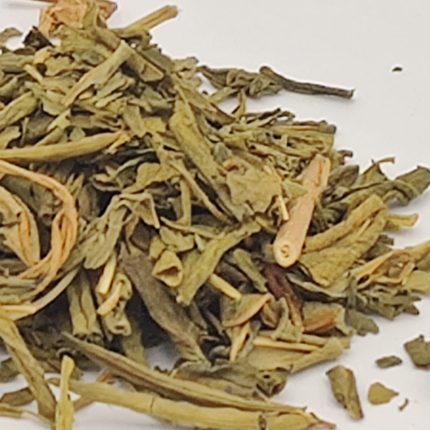
Prishnparni Leaf Powder
Latin : Uraria picta
Other Names : Chitraparni dabra, Prishtparni, Dabra, Daabra, Shankaraja, Shankhraj, Pitvan, Smhapushpi, Kalashi, Dhaavani, Guhaa, Oripai, Parshparni, Pithavan, Sittirappaladai, Kolaponna, Prushniparni, Prishniparni, Prithakparni, Dhavani, Guha, Shrugalavinna, Chitraparni, Anghriparn
Prushniparni is a Undershrub. It is Perennial herb, grows in Tropical & Sub tropical Regions reaching a height of 1.5m
The Herb has antiseptic, anti-inflammatory, antimicrobial, anti-emetic, aphrodisiac, analgesic, cardiovascular, expectorant and analgesic properties.
Ayurvedic classification :
Rasa (Taste) : Madhura (Sweet), Tikta (Bitter)
Guna (Physical prperties : Laghu (Light)
Veerya (Virya – Potency) : Ushna (Warming)
Vipaka (Metabolic properties ( After Digestion) : Mudhura ( Sweet)
Uraria picta is a medicinal plant with a rich history in traditional medicine, particularly in Ayurvedic practices. It has been used to treat a variety of ailments, thanks to its diverse chemical composition and pharmacological properties. Here are some of the traditional and modern uses of Uraria picta:
Traditional Uses:
- Bone fractures: It is believed to aid in the healing of bone fractures.
- Cardiovascular health: Used as a cardiovascular tonic to support heart health.
- Nerve tonic: Employed as a nerve tonic to strengthen the nervous system.
- Respiratory issues: Utilized to alleviate respiratory problems like cough and bronchitis.
- Skin conditions: Applied topically to treat skin ailments like eczema and psoriasis.
Modern Research:
- Anti-inflammatory: Studies have shown that Uraria picta possesses anti-inflammatory properties, making it potentially beneficial for conditions like arthritis.
- Antioxidant: It contains antioxidants that can help protect cells from damage caused by free radicals, reducing the risk of chronic diseases.
- Antimicrobial: The plant has demonstrated antimicrobial activity, suggesting its potential use in treating infections.
- Diuretic: It has diuretic properties that can help regulate fluid balance in the body.
- Aphrodisiac: In some cultures, Uraria picta is believed to have aphrodisiac qualities.
Important Note: While Uraria picta has been used traditionally for various ailments, it’s essential to consult with a healthcare professional before using it for medicinal purposes, especially if you have underlying health conditions or are taking medications.
Dosage : 500mg – 2.5g
Generally, Uraria picta is used in the following forms:
- Powder: The powdered form can be taken orally with water or honey.
- Decoction: The plant can be boiled in water to make a decoction, which can then be consumed.
- Topical application: For skin conditions, a paste or ointment made from the plant can be applied directly to the affected area.


Reviews
There are no reviews yet.