


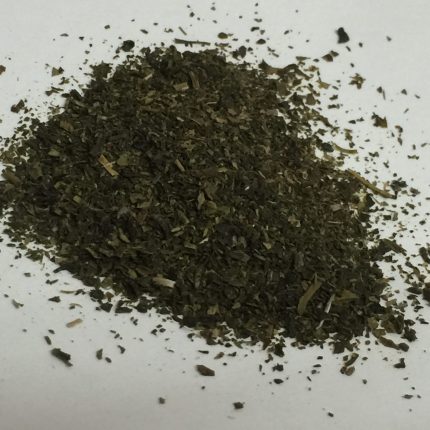

Name : Gudmar or Gurmar Leaves
INCI : Gymnema Sylvestris
Other Names : Shardunika, Cow Plant, Autralian Cowplant, Medhasinghi, Medasingi, Kavali, Gudamar, Madhunashini, Kavli, Bedakicha phala, Chakkarakolli, Mrygosingho, Myrosingo, Shirukurinjan, Podapatri, Vodaparthi, Sasinga, gymnema,Gymnema sylvestre, Periploca of the woods, and the Hindi term gurmar, sugar destroyer, Australian cowplant, Gudmar, Gurmar, Kavali, kalikardori, Dhuleti, mardashingi, Shirukurum Kaay, Shakkaraikkolli, Podapatri, Sannagerasehambu, Kadhasige, Kannu Minnayamkodi, Passaam, Shirukurinja, Gurmaar Buuti, Madhunashini, Periploca of the the woods, merasingi , Sanna gerasehambu , Chakkarakolli, Kalikardori, Vakundi, Meshashringi, Adigam, Cherukurinja , Podapatri , Gurmar patta, گرمار
Country of Origin : India
Ayurvedic Classification :
Rasa (Taste) : Bitter, Asringent
Veerya (Potency) : Ushna (Warming)
Vipaka (Post-digestive effect) – Pungent
Doshas : Balances Pitta & Kapha *may increase Vata
The word Gudmar itself means destroyer of sugar in Hindi Language. As the meaning of Gud is Jaggery or sugar and mar means to kill or destroy. It is known to destroy the sugar cravings. It is a common herb of Monsoon forests.
In Ayurveda this herb is mentioned as bitter, acrid, cooling, herb.
The leaves of the plant, when chewed possess the remarkable property of paralysing the sense of taste for sweet and bitter substance for few hours. (Source: Dr. Oudhia on botanical.com)
We do not recommend intake of any herb without the guidance of Medical Practitioner or Herbalist




Reviews
There are no reviews yet.